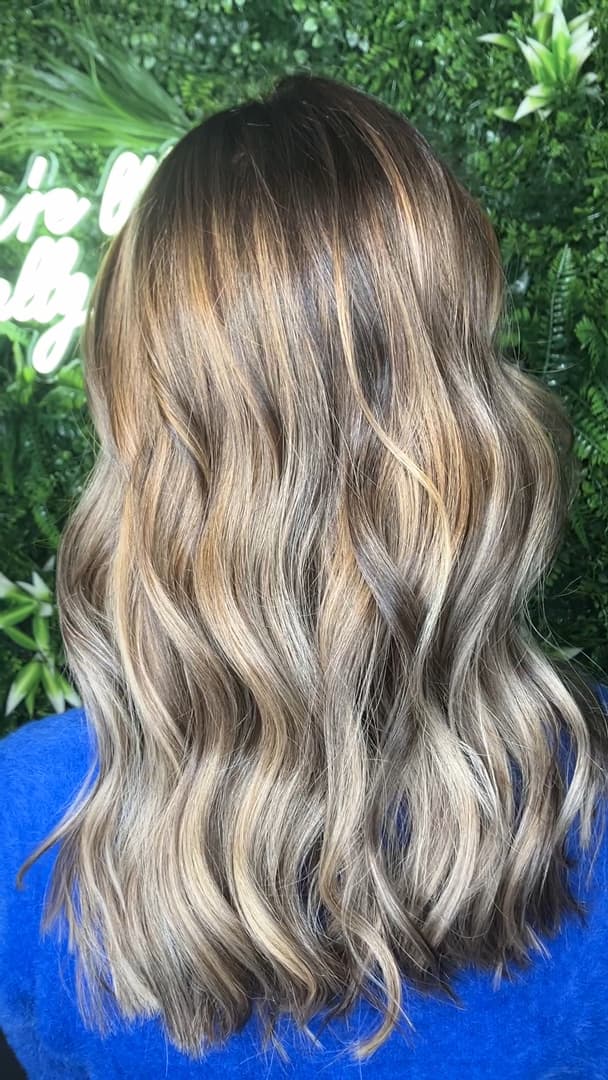
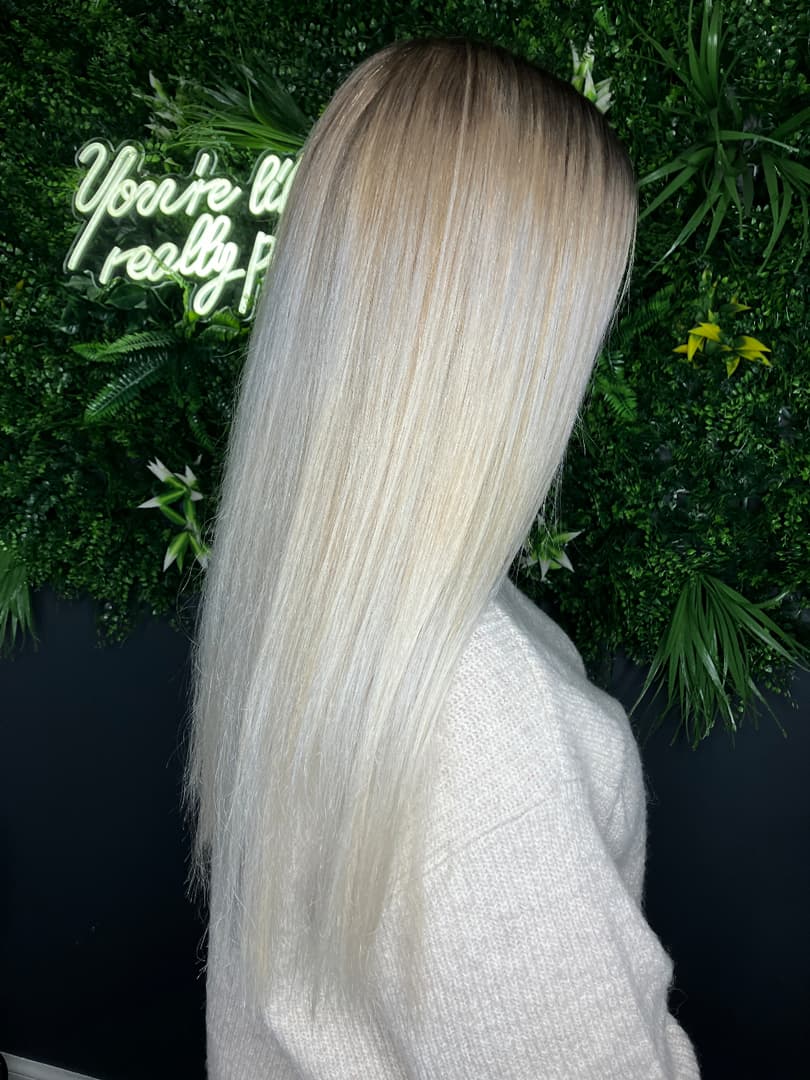
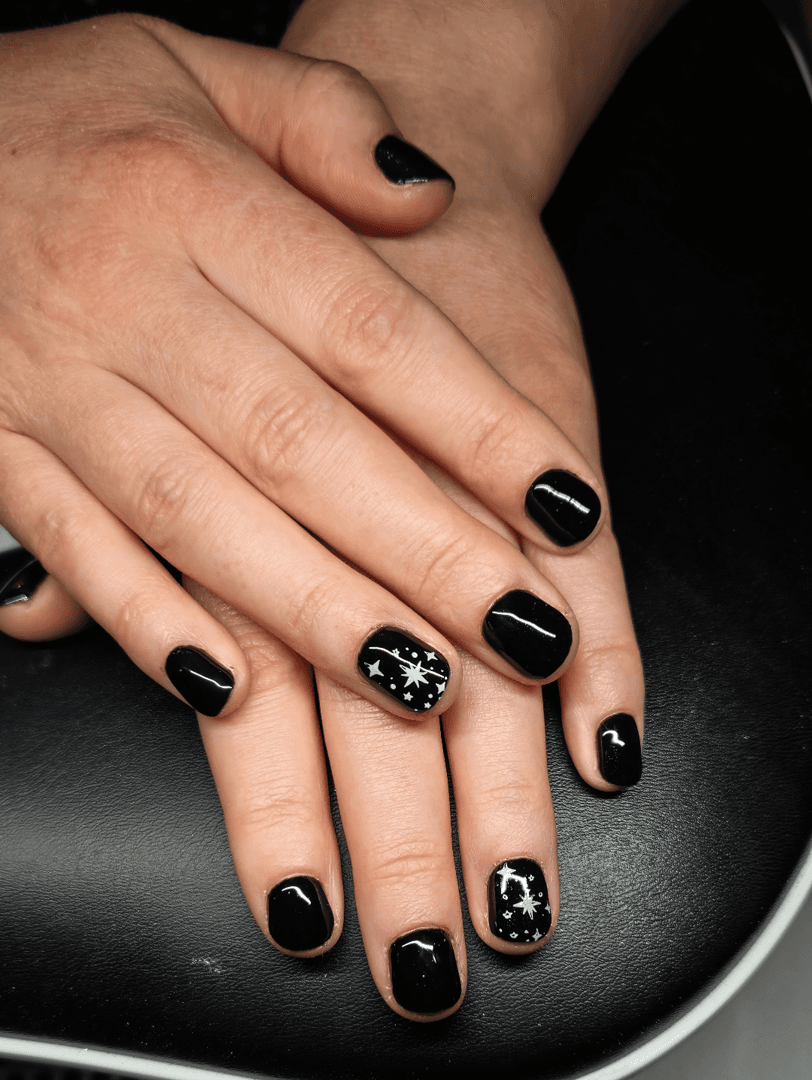
We need to talk about something most people don't realise until it's too late. That £60 highlight appointment you booked because it seemed like a bargain? It's probably going to cost you £150 by the time you're done fixing it. The £20 gel manicure that lifted after five days? You'll spend £40 for two weeks of nails when our £45 BIAB lasts a month.
This isn't about defending expensive salons. We're exposing the structural problems that make cheap ones unsustainable — and why you end up paying for those problems in time, stress, and corrective work that costs more than doing it properly the first time.
The Pressure That Destroys Quality
When we decided to run Hello Beauty on commission rather than chair rental, most salon owners said we were making it harder on ourselves. They were right — it is harder. We take on more financial risk. But we'd seen what the alternative looks like, and it wasn't good enough.
In chair rental salons, every stylist is running their own micro-business. They're worried about covering rent. They're competing with the person next to them for walk-ins. And the pressure to say yes to everything — even when they know a service will damage someone's hair — is enormous.
That's not a recipe for great work. It's a recipe for stressed artists and inconsistent results.
The commission model does something different. Our artists earn well, they don't pay rent, they get premium products provided, and they don't have to worry about marketing or admin. That means the only thing on their mind when a client sits down is: how do I do the best possible work for this person?
Yes, it's harder for us financially. But the quality of work is higher, the team culture is stronger, and clients can feel the difference the moment they walk in. No one's rushing to squeeze in an extra appointment. No one's saying yes to something they shouldn't.
When Saying No Is Actually Saying Yes
The most common request we refuse? Bleaching damaged hair. Someone comes in with hair that's been through multiple rounds of colour — maybe box dye at home, maybe a bad salon job — and they want to go platinum blonde in one session. In a chair rental setup, that stylist needs the money. They know if they say no, the client walks out and they've lost the booking and the income.
So they go ahead, apply the bleach, and the hair comes out fried — sometimes literally breaking off in the sink. The client leaves devastated, and three weeks later they're in someone else's chair paying for a colour correction that costs more than the original appointment.
Our artists don't have that pressure. If Maria or Katie looks at someone's hair and knows a full bleach will cause damage, they'll say so — clearly and honestly. They'll explain why, show the client what's realistic, and propose a plan that gets them where they want to be safely, even if it takes two or three sessions.
One client came in wanting a dramatic colour change on hair that was already compromised from a keratin treatment at another salon. Katie told her straight — if we bleach this now, you'll lose length and it won't hold the tone you want. Instead, she recommended a course of K18 repair treatments first, then a gradual colour transition over a couple of months.
The client was disappointed initially. But when her hair came out healthy, strong, and exactly the shade she wanted — she said it was the first time a stylist had actually looked after her instead of just taking her money. That's the difference our model makes.
What a Proper Consultation Actually Looks Like
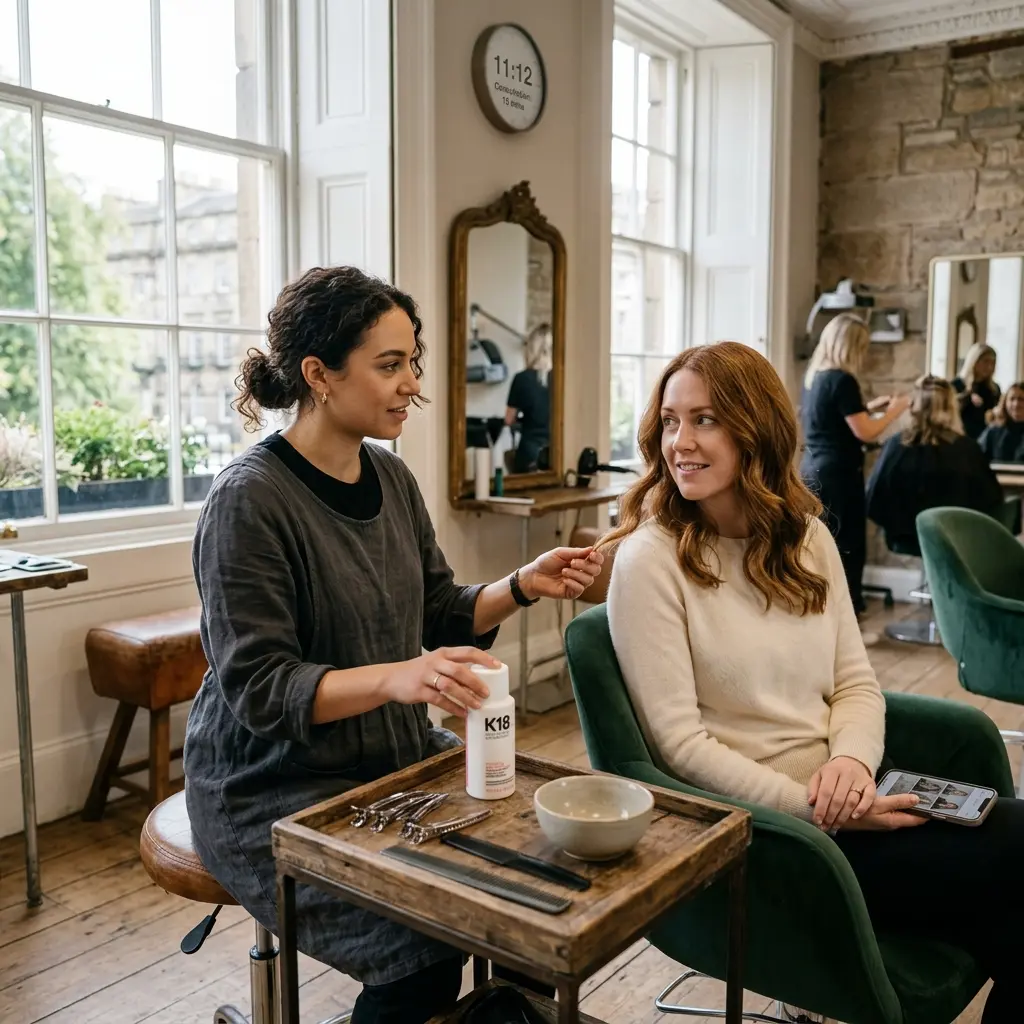
A proper consultation at Hello Beauty takes anywhere from ten to fifteen minutes, sometimes longer for colour work or bridal appointments. In a budget salon, you're lucky to get two minutes — and even that's usually just “what are we doing today?” followed by straight into the service. That's not a consultation. That's an order being taken.
In those extra minutes, here's what actually happens:
- We look at the hair or nails as they are right now — the condition, texture, any existing colour or damage, the natural growth pattern.
- We listen to what the client wants. Not just “I want balayage” but why they want it, what they've seen that inspired them, what they liked or didn't like about their last colour.
- We ask to see reference photos — because what someone calls “light blonde” can mean completely different things depending on the person.
- We give honest feedback. Our colourist might say “that exact shade won't work with your natural base, but here's what will give you a similar effect” — or “we can get there, but it'll take two sessions to do it without damaging your hair.”
- We talk about lifestyle. How much time do you spend styling in the morning? How often are you realistically going to come back for maintenance? There's no point giving someone a high-maintenance colour if they're only going to visit every four months.
That kind of question never gets asked in a ten-minute turnaround salon because they don't care about the long term — they just need to fill the next slot. Those ten to fifteen minutes completely change the outcome. The client feels heard, the artist has a clear plan, and the result is something that actually works for that specific person.
What Happens When Time Becomes the Enemy
The pressure to fill the next slot doesn't just affect consultations. It compromises everything.
Colour: timing is critical
A full head of highlights needs precise application and careful monitoring — the lightener needs to process for exactly the right amount of time depending on the hair type, the starting colour, and the desired result. In a busy budget salon, a stylist might be working on two or three clients at once. They apply the foils, move to the next chair, and by the time they come back the lightener has been sitting too long.
Over-processed highlights go brassy, feel dry, and damage the hair structure. The client leaves thinking their hair “just doesn't hold colour well” — but the real problem was that nobody was watching the clock because they were too busy juggling.
Haircuts: the detail work gets skipped
A good cut isn't just about the overall shape — it's about the layering, the texturing, the way the hair falls around the face. When you've got twenty minutes to get someone out of the chair, you cut for speed, not precision. The haircut might look fine when it's freshly blow-dried in the salon, but two days later when the client washes and styles it themselves, it doesn't sit right. The finishing work — the bit that separates a good cut from a great one — got skipped.
Nails: rushing leads to lifting
If the nail prep isn't thorough — if the cuticle work is sloppy or the BIAB layers aren't cured properly because someone's trying to get through each client in thirty minutes — the manicure starts peeling within a week. The client thinks the product is rubbish, but actually the product is fine. The application was just too rushed to do it justice.
And here's what doesn't get talked about enough — rushing also kills the experience. Even if the technical work is acceptable, the client can feel the pressure. They can sense that their stylist is watching the clock, thinking about the next person, not fully present. That anxiety transfers. The client doesn't relax, doesn't enjoy it, and leaves feeling like a transaction rather than a person.
The Real Maths of “Saving Money”
Let's do the actual maths, because this is the part that really drives the point home.
Say someone goes to a budget salon for a full head of highlights. They pay maybe £60 to £70 — which feels like a great deal compared to our price of £130 or more. But the colour comes out uneven, it's gone brassy within three weeks because they used a cheap toner that washes out fast, and the hair feels dry and straw-like because the lightener was left on too long.
Now they need a colour correction. That's a specialist service — at any decent salon, you're looking at £100 to £500 just for the correction on top of the new colour appointment. So they're paying for the original budget highlights plus a correction plus a new colour service. They've spent £150 to £200 total, had three salon visits instead of one, and their hair has been through two chemical processes when it only needed one.
They've spent more money, more time, and their hair is in worse condition than if they'd just come to us in the first place.
And that's just the financial cost. There's also the emotional cost — the frustration of looking in the mirror and not liking what you see, the stress of having to find someone to fix it, the feeling of not being able to trust anyone with your hair. We get clients who come to us after bad experiences elsewhere and they're genuinely anxious sitting in the chair. It takes time and genuine care to rebuild that trust.
The cheapest option isn't the one with the lowest price tag. It's the one that gets it right the first time, lasts as long as it should, and leaves you feeling good about the whole experience. That's what premium pricing actually pays for — not luxury, but reliability.
How Trust Gets Rebuilt
When someone's been burnt before, we slow down. That's the single biggest signal. From the moment they sit down, we're not rushing. We're not glancing at the clock, we're not half-looking at the next client waiting. We give them our full attention and they can feel it immediately.
The first thing our artists do is ask questions — and then actually listen to the answers. Not just “what are we doing today?” but “tell me about your hair. What's been done to it recently? What did you like about it? What didn't work? What are you hoping for today?” That conversation alone tells the client this is different, because most of them have never been asked those questions before.
Then we're honest about what we see. If there's damage, we say so — gently, but clearly. If the colour they want isn't achievable in one session, we explain why and what the realistic timeline looks like. We don't promise something we can't deliver just to keep them happy in the moment. And that honesty, paradoxically, is what makes them relax.
We also explain what we're doing as we go. Not in a patronising way, but in a “here's why I'm choosing this product” or “I'm applying the colour this way because your hair texture responds better to this technique” kind of way. Clients who've been burnt before are often hypervigilant — they're watching everything, trying to figure out if they can trust this person. When you narrate your decisions, it gives them something to hold onto.
And honestly, one of the most powerful things is the environment itself. They walk into a beautiful Georgian building on Charlotte Square, they're offered a proper welcome, they're sitting in a calm, unhurried space. Before anyone even touches their hair, the setting is already telling them: this is not a factory. You're not a number here.
What “Safe” Actually Means
By the end of that first appointment, most of those nervous clients are already booking their next one. Not because we pressured them, but because they finally feel like they've found somewhere safe.
That's the word they use, actually — safe.
They mean they can trust us not to hurt them — and not just physically, although that's part of it too. They mean emotionally safe. Safe to say what they actually want without being judged. Safe to admit they don't know the difference between balayage and highlights. Safe to show a reference photo on their phone without feeling silly. Safe to say “I hated what my last stylist did” without worrying about being dismissed.
A lot of people have genuinely stressful relationships with salons. That sounds dramatic for “just a haircut” — but think about what's actually happening. You're handing control of your appearance to a stranger. How you look affects how you feel about yourself every single day. If someone gets that wrong, it's not just an inconvenience — it affects your confidence, your mood, how you show up at work, how you feel getting ready in the morning. That's deeply personal.
When clients say they feel safe with us, what they're really saying is: I trust that you'll listen to me, that you'll be honest with me, and that if something isn't going to work, you'll tell me before it's too late.
And that's not something you can create with a nice interior or good marketing. It comes from every single interaction — the way we greet people, how long we spend in the consultation, the fact that our artists explain what they're doing as they go, the honesty when something isn't right. It's built one appointment at a time.
Not the beautiful space, not the Instagram content — the fact that people feel safe in our care. That's the real product we sell, underneath all the colour and the styling. Safety. Trust. The feeling that someone actually cares about what happens to you.
That's what you're paying for when you choose a salon that charges what the work is worth. You're not paying for luxury. You're paying for someone who has the time, the resources, and the freedom to do the job properly — and the honesty to tell you when something won't work before it's too late.
The cheapest salon isn't the one with the lowest price on the menu. It's the one that gets it right the first time.
Ready to Experience the Difference?
Whether you're coming in for a balayage, a precision haircut, or a restorative K18 treatment, our team at Hello Beauty is here to do it properly — and honestly. We're at 13 South Charlotte Street in Edinburgh, open seven days a week.
Book online and we'll take it from there.
Hello Beauty Salon, 13 South Charlotte Street, Edinburgh EH2 4AS. Open Monday to Sunday, 10:00–19:00.